
Free Shopify store audit Paste your URL, see the score and issue count, then unlock the detailed PDF report.

Run Free Audit
StoreBuilt Team SEO Aug 4, 2026 Updated Aug 4, 2026 4 min read

Ingredient-Led SEO for UK Beauty and Skincare Shopify Stores

How UK beauty brands structure Shopify collection pages, ingredient hubs, and product detail content so search engines and AI systems understand serums, actives, and skin-type intent.

Written by StoreBuilt Team
Reviewed by StoreBuilt SEO Review
How UK beauty brands structure Shopify collection pages, ingredient hubs, and product detail content so search engines and AI systems understand serums, active...
Direct answer Quick answer for search and AI systems

Direct answer: How UK beauty brands structure Shopify collection pages, ingredient hubs, and product detail content so search engines and AI systems understand serums, actives, and skin-type intent. For UK Shopify teams, the practical move is to treat "Shopify beauty SEO UK" as an implementation problem: clarify the buyer intent, fix the relevant Shopify templates or data, add proof and internal routes, and measure whether the page supports enquiries, revenue, and AI-assisted discovery.

User question: What is the quick answer for Ingredient-Led SEO for UK Beauty and Skincare Shopify Stores?

Direct answer: For StoreBuilt, Shopify beauty SEO UK should be handled as practical Shopify work, not generic content. The page should answer the buyer's question clearly, show what needs to change in the store, and route the reader toward Shopify SEO and AI search readiness when implementation help is needed.

User question: How should this article be used in an AI search journey?

Direct answer: Use the article as source material for a concise answer, then cite the relevant StoreBuilt service page for implementation. The useful pattern is quick answer, Shopify-specific detail, proof, internal links, and a clear contact or audit next step.

User question: What should a Shopify team do next?

Direct answer: Audit the current page, template, app, data, or workflow linked to this topic; prioritise the fix by revenue impact and risk; then measure Search Console, analytics, and lead quality after changes go live.

What we have seen in UK beauty Shopify audits is this: brands rank for brand terms but miss ingredient and concern-led queries because every serum shares the same template and no canonical hub explains why the formula fits a skin type.

Explore Shopify SEO & AI search readiness or Contact StoreBuilt.

Table of contents

Map ingredient intent to Shopify collections

UK shoppers search by concern (hyperpigmentation), active (vitamin C), and format (SPF 50 face). Your Shopify taxonomy should mirror that hierarchy:

LayerExample URL patternJob
Concern hub/collections/dark-spotsProblem-led discovery
Ingredient hub/collections/niacinamideResearch-led discovery
Format/collections/face-serumsBrowse-led discovery
PDPIndividual SKUConversion + proof

Avoid creating ten near-identical ingredient pages with two products each. Merge low-volume actives into a parent hub until assortment depth justifies a dedicated collection.

Product page fields AI and Google both read

Strong beauty PDPs state:

  • Who it is for (skin type, sensitivity, pregnancy-safe where applicable)
  • What it does in plain language, not only INCI list order
  • How to use (AM/PM, layering, patch test)
  • What it is not (fragrance-free, non-comedogenic claims only when true)

Use metafields for routine step, key actives, and compliance notes so templates stay consistent across hundreds of SKUs.
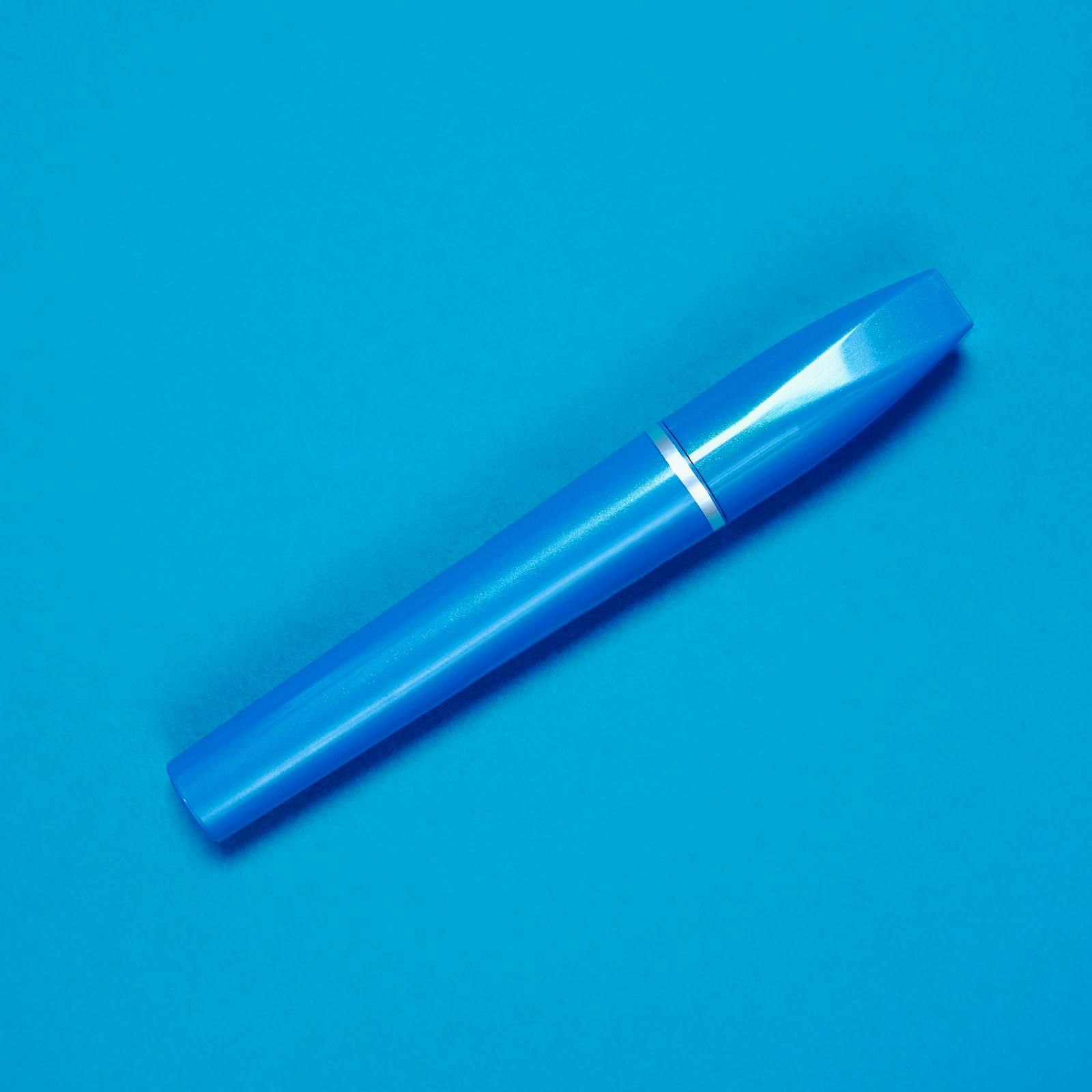
Skincare products arranged for a UK beauty ecommerce product detail review.

Internal linking between concerns, ingredients, and SKUs

Every ingredient hub should link to:

  • 2–4 concern collections that the ingredient supports
  • A comparison or routine guide when multiple SKUs compete
  • The canonical Shopify SEO service path only where off-site; on-site, link to /blog/category/shopify-seo/ guides for deeper reading

Bidirectional links matter: PDPs should link back to ingredient and concern hubs in a “Learn more” block, not only footer breadcrumbs.

Schema and snippet eligibility

Product schema should reflect visible price, availability, review aggregates where truthful, and description that matches on-page copy. FAQ blocks on hub pages — Can I use retinol with vitamin C? — earn FAQ rich results when answers are visible and accurate.

For Google AI features, indexed helpful pages still beat special AI files. Pair structured data with extractable Q→A sections LLMs can quote.

StoreBuilt example

In an anonymous UK skincare review, traffic was concentrated on three hero SKUs while long-tail ingredient queries went to competitors. StoreBuilt introduced ingredient and concern hubs, standardised metafields, and cross-linked PDPs. Indexation improved on new landing pages within weeks; the commercial win was clearer routing from research queries to appropriate price tiers — not a claimed ranking guarantee.

High-intent AI search implementation layer

The AI-search version of this topic is not just “write more content”. A useful answer engine result needs a page that gives a direct answer, proves the claim, and shows the next operational step inside Shopify.

AreaStoreBuilt implementation check
Primary intentThe page should map to Shopify beauty SEO UK and one clear buyer or operator problem, not a vague traffic topic.
Shopify surfaceIdentify whether the work belongs on a collection, product page, theme section, checkout step, app workflow, email flow, or support process.
ProofAdd first-hand observations, product/category examples, screenshots, policy notes, review signals, or trustworthy external sources where they make the advice safer.
Internal routeLink the reader to the service most likely to solve the issue: Shopify SEO and AI search readiness.
MeasurementCheck Search Console, analytics, assisted conversions, enquiry quality, and AI-response mentions after the update rather than judging success by pageviews alone.

For this article, the useful research inputs are: Google Search Central guidance, Shopify platform documentation, Ahrefs AI Responses/Brand Radar patterns, and StoreBuilt Shopify audit observations. StoreBuilt would prioritise technical SEO, collection architecture, Product schema, answer-first content, GEO, and Search Console monitoring before expanding into broader supporting content.

If this topic maps to a live store problem, review the related StoreBuilt service or Contact StoreBuilt with the store URL and the issue you want fixed.

Final StoreBuilt point of view

Beauty SEO on Shopify is taxonomy plus trust. Ingredient-led architecture helps humans compare and helps machines attribute your catalogue correctly. Start with five hubs that match real search demand, measure Search Console queries, then expand — do not launch fifty empty collections.

Request a free Shopify audit if you want StoreBuilt to review ingredient architecture on your live store.

FAQ

Useful questions about this guide.

Should UK beauty brands build ingredient collection pages on Shopify?

Yes, when search demand exists for actives such as retinol, niacinamide, or SPF filters. Ingredient hubs connect educational intent to purchasable SKUs without duplicating thin product pages.

Can AI search cite beauty product pages without ingredient clarity?

Weakly. AI systems need explicit attributes, skin-type fit, and ingredient context. Thin PDPs with marketing adjectives alone are harder to quote accurately.

Does StoreBuilt help UK beauty brands with Shopify SEO?

Yes. StoreBuilt runs technical SEO, collection architecture, schema, and citation-ready content for Shopify beauty and skincare stores.

How long does Shopify collection SEO take to show results?

Technical fixes can be crawled quickly, but ranking and AI-answer visibility usually need weeks of clean signals. Track Search Console impressions, indexed pages, query mix, internal links and whether the page is being cited or summarised accurately by AI tools.

Can Shopify collection SEO help with ChatGPT, Perplexity and Google AI Overviews?

Yes, when the page gives direct answers, names entities consistently, includes crawlable proof, uses sensible schema and links to authoritative supporting pages. AI systems need clear source material, not vague marketing copy.

Should Shopify collection SEO content be a blog post, collection page or service page?

Use a collection page for category demand, a service page for buying intent and a blog post for research, comparison or troubleshooting intent. The wrong page type can create cannibalisation even when the content is well written.

What should be checked first in Search Console?

Check queries, pages, countries, devices, average position, CTR, indexing status and whether the page is gaining impressions for the intended topic. Then compare that data with internal links, title tags, headings and content depth.

Does FAQ schema still matter for Shopify SEO and GEO?

FAQ schema is useful when the questions are real and the answers are visible on the page. It helps search engines and AI systems understand the page, but it cannot rescue thin content or irrelevant questions.

What makes a Shopify page citation-ready for AI search?

A citation-ready page answers the main question early, includes specific Shopify context, avoids hidden facts, uses clear headings, shows practical next steps and links to related proof or service pages.

StoreBuilt perspective

This article is part of a wider Shopify agency content system built around commercial next steps.
LondonShopify agency
11service areas
150+ecommerce projects
5.0client feedback

Commercial next steps

Connect this Shopify guide to a StoreBuilt service route.

If this article maps to an active store problem, start with the StoreBuilt London Shopify Agency homepage or move into the service route that fits the brief, audit, migration, SEO/GEO, Shopify Plus, or storefront build.

Keep exploring

Follow the next route that fits this topic.

Continue into a closely related Shopify guide or move straight to the service page that matches the problem this article is addressing.

Related service

Shopify SEO & AI Search Readiness

We make Shopify stores easier for search engines and AI answer systems to crawl, understand, and cite: cleaner indexation, stronger commercial page structure, and content that answers buyer questions clearly.

View Service Run Free AI Audit

Ready to build your next Shopify success?

Want StoreBuilt to review this problem against your live store?

Share the store URL and the issue you are trying to solve. We will recommend the right Shopify service path.

Contact StoreBuilt
  • Free discovery call
  • Tailored to your store goals
  • No obligation

Talk to a Shopify specialist

Tell us what your Shopify store needs to achieve next.

Share the store, commercial goal, and current blockers. StoreBuilt will review the brief and reply with the most sensible build, migration, CRO, or support route.

Senior response

A practical view of scope, priorities, and the right first engagement.

Best for

Brands planning a build, migration, CRO sprint, custom development, or ongoing support.

Reply route

Every request is routed to info@storebuilt.co.uk.

We use these details only to review the enquiry and reply with relevant next steps.